Affordable Swimming Pool Maintenance for Year-Round Fun
Cost-effective swimming pool upkeep is necessary for maintaining a usable and enjoyable outdoor space. Ongoing maintenance and timely repairs thorough guide can avoid minor issues from escalating into major expenses. Pool owners often disregard common problems that can jeopardize water quality and safety. Learning the intricacies of DIY repairs and discovering reliable local services can significantly reduce costs. However, many still contemplate about the proven strategies to ensure their pools remain welcoming year-round.
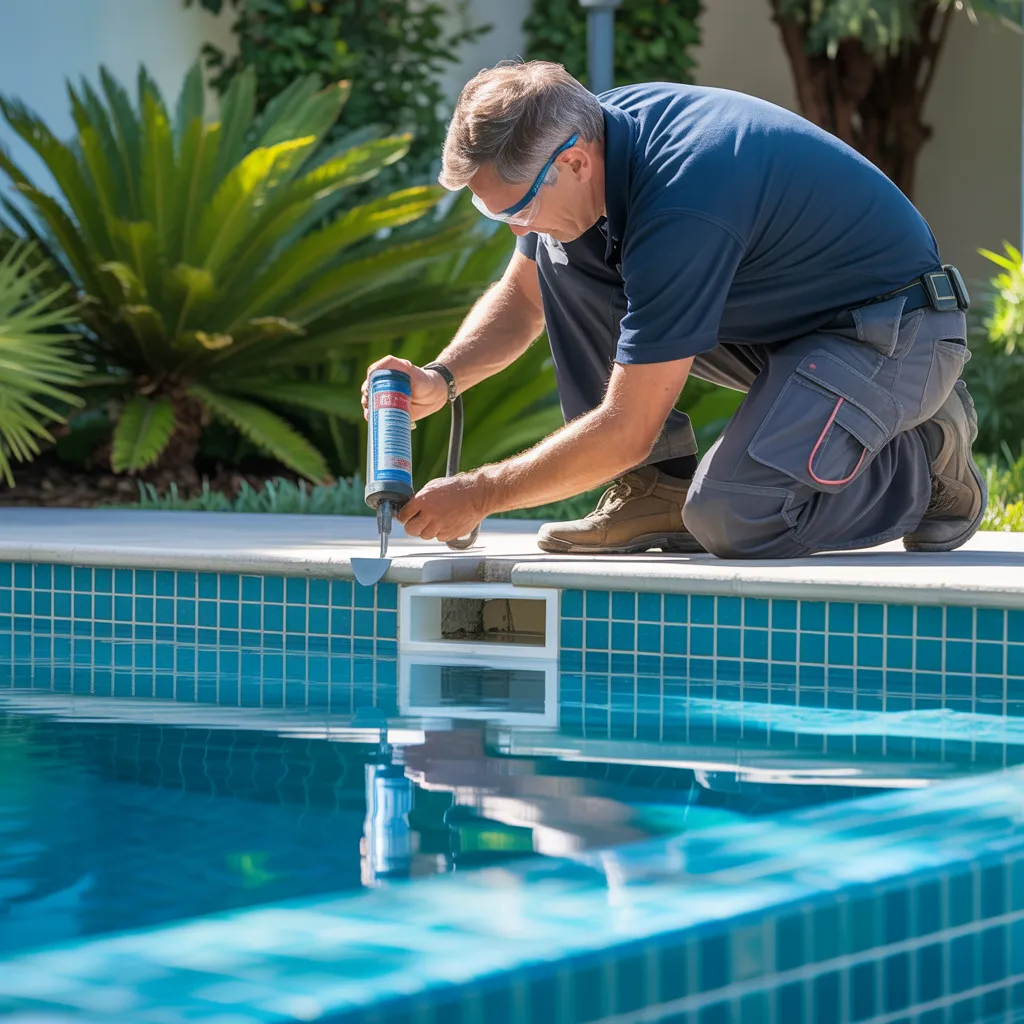
Regular Pool Issues
Swimming pool operators often deal with a variety of common issues that require focus. One prevalent concern is water clarity, often resulting from inadequate filter systems or imbalanced chemical concentrations. Green algae development can also pose obstacles, growing in warm temperatures and poorly cared for water. Moreover, water leaks are a frequent concern, likely leading in major water depletion and increased utility costs.
Another issue is the deterioration of pool surfaces, such as cracks in the plaster or tiles, which can compromise aesthetics and safety. Mechanical failures, including pump breakdowns or heater problems, often disrupt pool enjoyment and require timely repairs. Finally, debris accumulation from leaves, dirt, and insects can affect water quality and require regular cleaning. Promptly tackling these typical issues guarantees not only a safe swimming environment but also extends the life of the pool and its components, allowing for continued enjoyment throughout the swimming season.
Do-It-Yourself Repair Strategies
Undertaking pool repairs can be a rewarding project for homeowners wanting to save money and improve their maintenance skills. Frequent issues, such as pool liner leaks or tile cracks, can be effectively managed with do-it-yourself approaches. For example, repairing a vinyl liner can be completed using a basic repair kit, ensuring a watertight seal. Homeowners can also manage small cracks in plaster or concrete pools with epoxy fillers, offering a durable solution.
Maintaining and cleaning pool filters is an essential DIY activity that can improve water circulation and clarity. In addition, swapping out worn or broken pool equipment like pump parts or skimmers typically requires only simple tools and instructions from online resources. By mastering these skills, homeowners save on repair expenditures and develop a deeper understanding of their pool’s mechanics, which aids in a more enjoyable swimming experience throughout the year.
Economical Seasonal Pool Maintenance Advice
Cost-effective seasonal pool care is vital for prolonging a pool's durability and preserving water quality. Routine water testing, efficient filter upkeep, and using seasonal covers can substantially lower repair costs in the long run. Using these approaches helps maintain a clean and healthy swimming environment while staying within budget.
Periodic water quality checks
Proper water chemistry is vital for sustaining a healthy swimming pool in working order. Frequent pool testing permits pool owners to observe pH levels, alkalinity, and chlorine concentration, making sure that the water continues to be safe and enjoyable. By testing water at least once a week, owners can spot imbalances quickly, averting expensive repairs and water quality issues. Test kits are readily obtainable and give quick results, enabling it effortless to change chemical concentrations as needed. Additionally, observing mineral levels avoids mineral buildup and rust, boosting the lifespan of pool equipment. Creating a dependable water testing regimen not only enhances the swimming experience but also fosters a safe environment for family and friends, establishing it a significant aspect of pool maintenance.
Streamlined Filter Cleaning
Sustaining a pristine filter is imperative for optimal pool efficiency and longevity. Regular cleaning eliminates debris buildup, which may trigger compromised water circulation and elevated energy costs. Pool owners ought to schedule servicing the filter every 4 to 6 weeks, contingent on usage and environmental circumstances. A quick rinse with a hose can readily dislodge surface dirt, while a deeper clean could require placing in a specialized solution for a few hours. In addition, checking and replacing filter cartridges as needed will guarantee optimal filtration. Keeping the filter immaculate both increases water clarity and prolongs the operational lifespan of the pool infrastructure, in turn generating diminished maintenance expenses and a more gratifying swimming experience year after year.
Seasonal Protection Application
A high-quality seasonal cover can significantly improve pool upkeep while reducing costs. These covers act as a shield against debris, decreasing the need for frequent cleaning and chemical adjustments. By blocking leaves, dirt, and insects from entering the pool, owners can reduce expenses for filter maintenance and water usage. Additionally, a well-fitted cover helps retain heat, lowering heating expenses during winter. Seasonal covers also protect the pool structure from severe weather conditions, potentially extending its lifespan. To get the most value, it is important to choose a durable, UV-resistant material that fits the pool tightly. Consistently checking and caring for the cover ensures its effectiveness, allowing affordable and effective year-round pool enjoyment while decreasing repair costs over time.
Affordable Pool Maintenance Services
When homeowners spot leaks or cracks in their swimming pools, they often seek out inexpensive pool repair services to bring back their oasis without breaking the bank. These services tackle a range of difficulties, from minor repairs to more significant structural damage. Many companies present competitive pricing, ensuring that pool maintenance remains obtainable throughout the year.
Homeowners should locate local service providers with positive ratings and clear fee structures. Some companies may provide free quotes, helping property owners to allocate funds before making repairs. Additionally, limited-time offers can reduce costs, facilitating the ability to resolve critical repairs.
Critical Supplies for Self-Service Pool Upkeep
Performing DIY pool repairs requires that you obtain the right tools, which are vital for efficiency and safety. The foundation of any repair kit consists of basic repair tools, including wrenches and sealants, and safety equipment guarantees protection during the process. Learning about these vital components can enable homeowners to tackle repairs with confidence.
Common Repair Tools Necessary
A well-stocked toolbox proves vital for people undertaking pool repair themselves. Essential tools feature a rubber mallet which assist in adjusting connections while protecting fixtures, plus sets of wrenches for adjusting various components. Sets of screwdrivers prove vital since they allow fixing pool panels and equipment. When sealing leaks, guns for caulking and sealant that resists water are required. Pool brushes help clean surfaces prior to repairs, while submersible pumps remove excess water. Equally useful, utility knives cut pool liner material. Keeping these basic tools readily available, pool proprietors address typical problems effectively and maintain their pools year-round.
Basic Safety Equipment
Anyone performing DIY pool repairs must have safety equipment, essential for guaranteeing both protection and compliance with safety standards. Proper gear includes safety goggles to shield the eyes from debris and chemicals, gloves to protect hands from sharp objects and irritants, and reliable footwear to avoid slips and injuries. Wearing a hard hat is recommended when working around spots with overhead hazards. Moreover, a first-aid kit must be readily accessible for minor injuries. Those working with electrical components should use insulated tools and a voltage tester, crucial to prevent electric shock. By arming themselves with these necessities, DIY enthusiasts can raise their safety when efficiently dealing with pool repair tasks. Putting safety first leads to a more satisfying repair experience.
Avoiding Major Pool Repairs
Regular upkeep functions as the foundation for avoiding major pool repairs. By adhering to a consistent maintenance plan, pool managers can identify and address potential issues before they worsen. Essential tasks such as removing leaves, filter maintenance, and adjusting chemical levels are necessary. Disregarding these simple actions may lead to more severe problems, including algae growth or equipment failure.
Furthermore, evaluating pool components—such as pumps, heaters, and liners—on a regular schedule can catch wear and tear early. Addressing minor leaks or cracks right away can avoid costly repairs down the line. Ensuring proper water levels and circulation helps sustain the structural integrity of the pool.
Furthermore, devoting effort in seasonal preparations, such as winterizing, can protect the pool from environmental damage. Ultimately, careful upkeep not only improves the pool's longevity but also protects the owner's financial stake, ensuring continuous pleasure for years to come.
Frequently Inquired Questions
What Steps Should I Take to Find a Reliable Pool Repair Specialist In My Region?
To find a reliable pool repair service in your area, one can consult online reviews, request suggestions from friends, and search local business listings. Comparing quotes and confirming credentials also guarantees quality and trustworthiness in service.
What Are the Indicators My Pool Requires Prompt Service?
Indicators that a swimming pool requires immediate repair include visible cracks, water seepage, water discoloration, unusual noises from equipment, and continuous algae buildup. Tackling these issues quickly can prevent additional deterioration and ensure safe swimming conditions.
Do swimming pool maintenance services come with warranties?
Yes, many pool repair services deliver warranties including parts and labor. These warranties can vary in period and terms, so it's essential for residents to ask for details specifics before committing to any repair service.
How Often Should I Inspect My Pool for Concerns?
Examinations of a pool should happen at least once a month on a regular basis. However, seasonal shifts or intense use may demand more regular checks to identify potential problems early and ensure optimal maintenance and safety.
What Is the Average Cost of a Pool Maintenance?
Pool repair costs generally span from $150 to $1,500 on average, varying based on the seriousness and kind of the issue. The overall costs can be notably influenced by factors like location and professional qualifications.
Comments on “Cape Coral Pool Repair for Pool Equipment Repairs and Upgrades”